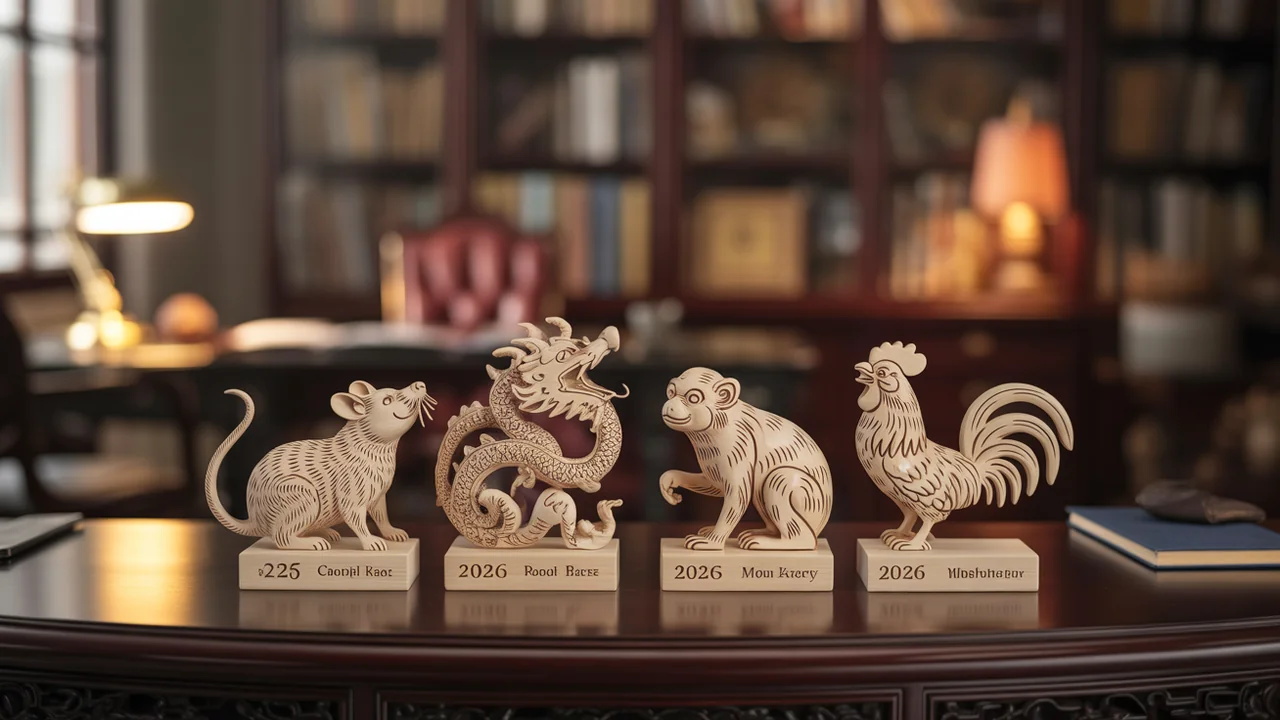
Stability themes show up for some zodiac groups in early 2026
As the calendar turns into early 2026, some people who follow the Chinese zodiac will be watching for signs of steadier routines, clearer priorities, and fewer unexpected disruptions. While the zodiac isn’t a prediction system everyone relies on, it’s often used as a cultural lens for talking about timing, habits, and personal momentum.
Here are four Chinese zodiac signs—along with common birth years—often associated with improved stability in the first part of 2026. Individual experiences can vary widely, and life changes are shaped by many factors beyond zodiac traditions.
Ox (Niu): Birth years that may relate
Common Ox years: 1961, 1973, 1985, 1997, 2009, 2021
Ox energy is traditionally linked with consistency, patience, and long-term effort. In early 2026, Ox natives may feel that day-to-day life becomes easier to organize, with fewer moving parts competing for attention.
Some may notice steadier work rhythms, clearer expectations in group settings, or a stronger sense of control over personal schedules. The overall theme is “less scrambling, more planning,” especially when routines are kept simple.
Rabbit (Tu): Birth years that may relate
Common Rabbit years: 1963, 1975, 1987, 1999, 2011, 2023
Rabbit is often associated with harmony, relationship awareness, and comfort-building. Early 2026 may bring a calmer social atmosphere for many Rabbits, with fewer misunderstandings and more direct communication.
Stability here can look like smoother collaboration, more predictable household dynamics, or renewed interest in creating a peaceful home base. Small, practical adjustments—like clearer boundaries and realistic commitments—may feel especially effective.
Dragon (Long): Birth years that may relate
Common Dragon years: 1964, 1976, 1988, 2000, 2012, 2024
Dragons are traditionally linked with ambition and forward motion. In early 2026, that drive may become easier to manage, shifting from bursts of intensity to more sustainable progress.
For some, stability improves when goals are narrowed and timelines are clarified. Rather than chasing multiple directions at once, Dragons may find it simpler to commit to one or two priorities and follow through consistently.

Rooster (Ji): Birth years that may relate
Common Rooster years: 1969, 1981, 1993, 2005, 2017
Rooster is often connected with organization, precision, and responsibility. Early 2026 may feel like a period where efforts to streamline life finally “stick,” especially around schedules, habits, and shared obligations.
Many Roosters may feel more stable by focusing on repeatable systems: clear calendars, defined roles in team settings, and practical routines that reduce last-minute pressure. The tone is less about big changes and more about steady maintenance.
What “stability” can mean in everyday life
In zodiac conversations, stability doesn’t always mean something dramatic. It can point to:
More predictable routines: fewer disruptions and better time management.
Clearer relationships: improved communication and fewer mixed signals.
Stronger follow-through: finishing what’s started and keeping commitments realistic.
Reduced friction: smoother coordination at home, work, or school.

FAQs
Q1: Which four Chinese zodiac signs are linked to improved stability in early 2026?
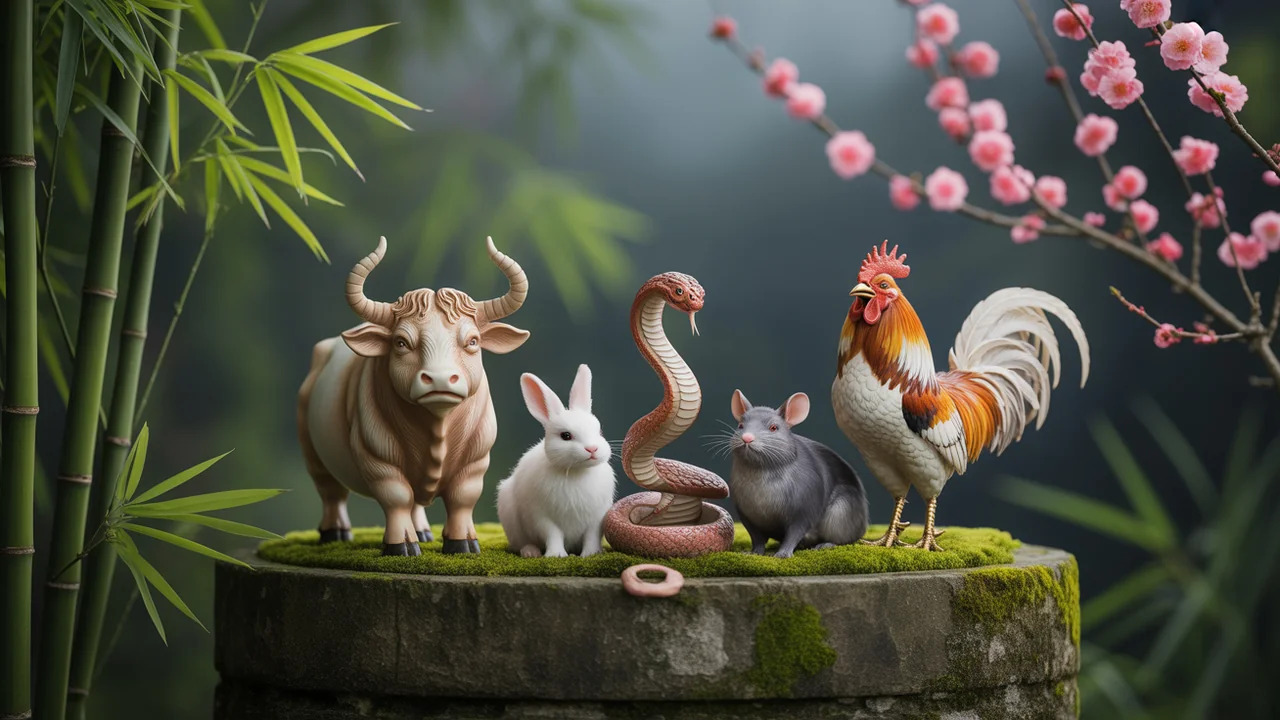
Ox, Rabbit, Dragon, and Rooster are commonly highlighted in zodiac discussions about steadier momentum in that period.
Q2: What are the birth years for these signs?
Ox: 1961, 1973, 1985, 1997, 2009, 2021; Rabbit: 1963, 1975, 1987, 1999, 2011, 2023; Dragon: 1964, 1976, 1988, 2000, 2012, 2024; Rooster: 1969, 1981, 1993, 2005, 2017.
Q3: Does the Chinese zodiac guarantee stability or predict outcomes?
No. It’s a traditional framework people use for reflection, and real-life outcomes depend on many factors.
Q4: How can someone use zodiac themes without treating them as advice?
They can use them as prompts for journaling, goal-setting, and noticing patterns, while relying on practical information and personal circumstances for decisions.