Consumer Confidence Slides to a Two-Year Low
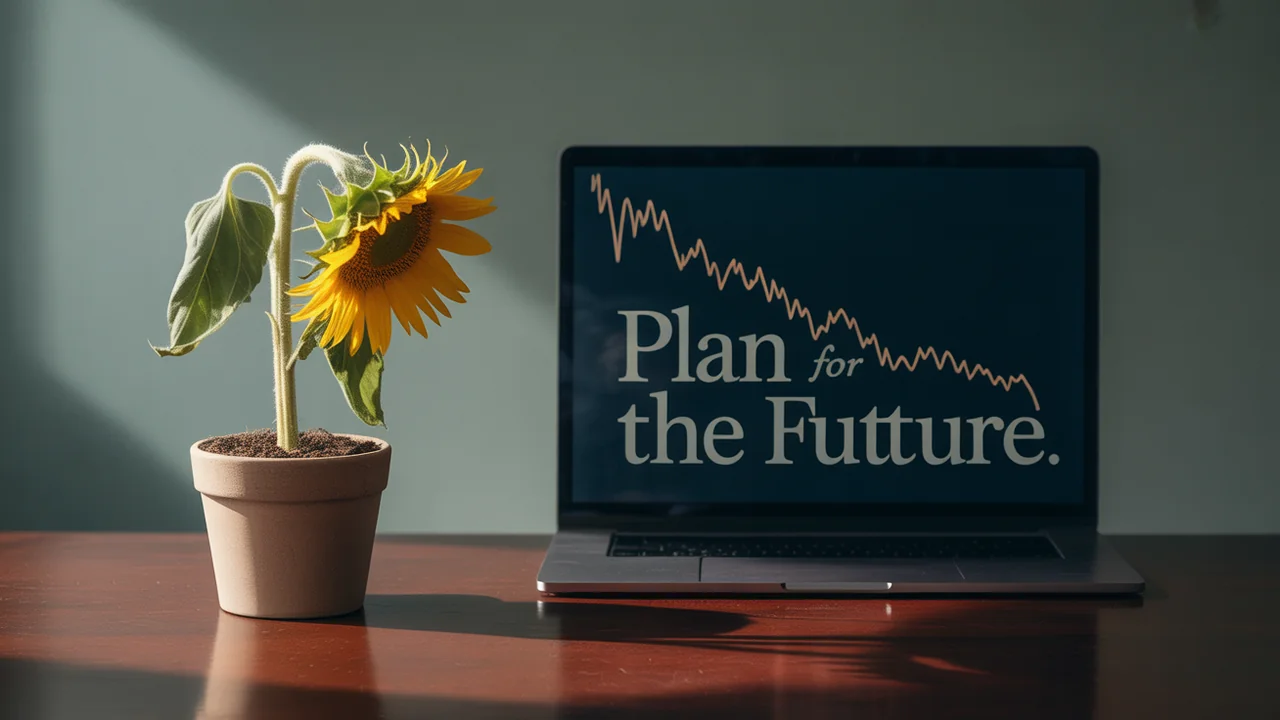
Consumer confidence has fallen to its lowest level in roughly two years, adding to signs that many households are feeling more cautious about the months ahead.
Survey-based measures of sentiment track how people view their finances, job prospects, and the broader economy. When confidence drops, it often reflects growing unease about everyday costs and future stability—even if some economic data remains steady.
What’s Behind the Drop
Several pressures appear to be weighing on how consumers feel right now. Persistently high prices for essentials, uneven wage gains, and concerns about job security can all chip away at optimism.
Higher borrowing costs have also made big-ticket purchases more difficult for many households. As financing gets more expensive, shoppers may delay buying cars, appliances, or taking on other long-term commitments.
Spending Pullback Shows Up in Day-to-Day Choices
A pullback in spending is increasingly visible in the small decisions people make: fewer discretionary purchases, more price comparisons, and a greater focus on discounts.
Retailers and service providers often see this shift when customers trade down to cheaper brands, choose smaller package sizes, or reduce nonessential activities like dining out and travel.
Why Consumer Spending Matters
Consumer spending is a major engine of the US economy. When shoppers tighten their budgets, it can ripple through businesses that rely on steady demand, potentially affecting hiring plans, inventory levels, and pricing strategies.
That said, confidence readings can move quickly. A single report doesn’t determine the economy’s direction, but a sustained slump can be a meaningful signal of stress.

What to Watch Next
Economists and business leaders will likely monitor a few key areas to gauge whether the downturn in confidence leads to broader weakness: jobs data, wage growth, inflation trends, and retail sales.
They’ll also watch whether the spending slowdown stays concentrated in discretionary categories or begins to spread more widely across everyday purchases.
FAQs
What is consumer confidence?
It’s a survey-based measure of how optimistic or worried people feel about their finances and the economy.
Does lower confidence always mean a recession is coming?
No. Confidence can dip for many reasons, and the economy can keep growing even when sentiment is weak.
What does a spending pullback look like?
People may delay big purchases, cut back on nonessentials, and prioritize lower-cost options.
What indicators are closely watched alongside confidence?
Jobs reports, inflation data, wage trends, and retail sales are commonly tracked for confirmation.