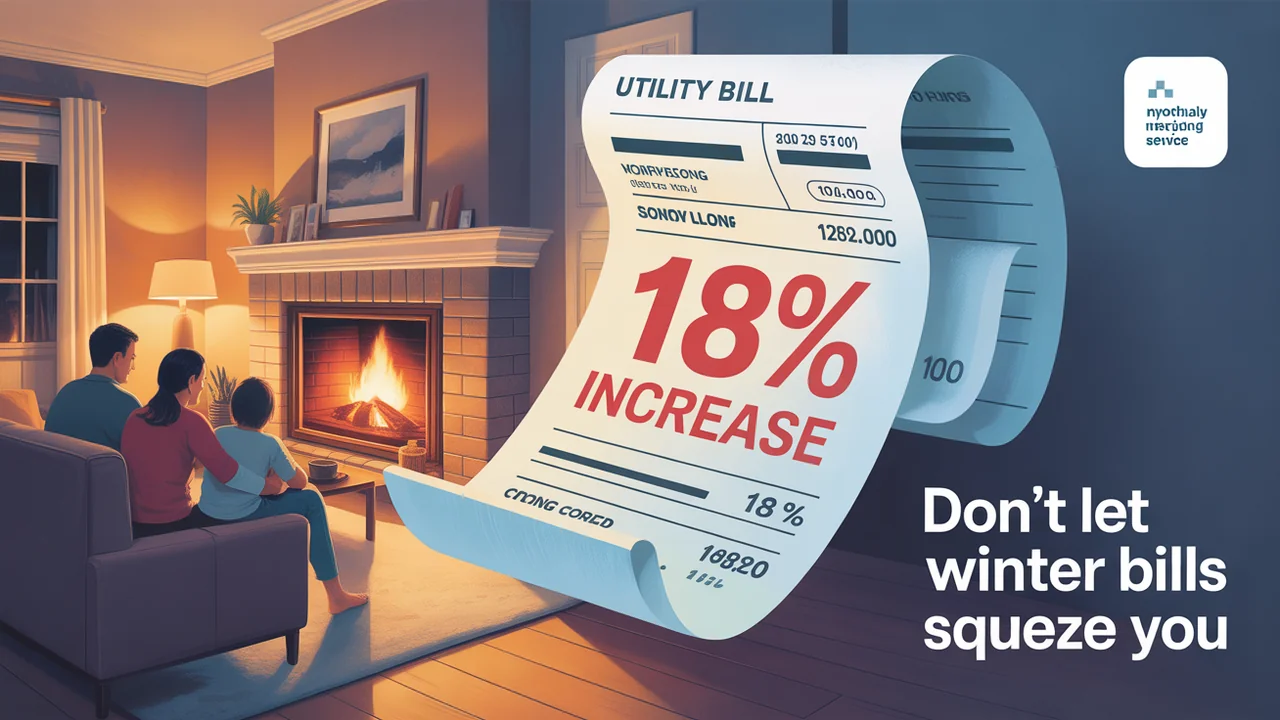
Average Winter Energy Bills Jump 18% in February — Why Households Are Feeling the Squeeze
Many U.S. households opened February utility statements to an unpleasant surprise: average winter energy bills rose about 18% compared with earlier in the season, according to recent industry and utility summaries. The jump has added pressure to budgets already stretched by higher everyday costs.
While energy prices can vary widely by region and home type, the February spike reflects a mix of colder weather, shifting fuel prices, and changes in how power is generated and delivered.
Colder snaps drove up usage fast
February often brings some of the most persistent cold of the winter. Even a few days of below-normal temperatures can push heating systems to run longer and more frequently.
For many homes, the biggest driver wasn’t the per-unit price of energy, but total consumption. Longer runtimes mean more kilowatt-hours for electric heating and more therms for natural gas systems.
Natural gas and electricity costs moved in different ways
Natural gas is a major heating fuel in large parts of the country and also plays a big role in electricity generation. When natural gas costs rise in wholesale markets, utilities may see higher supply costs, which can show up in customer bills depending on local rate structures.
In areas where electric heat is common, higher electricity demand during cold periods can also tighten the grid and raise the cost of power purchased on short notice.
Delivery charges and fixed fees matter more than people think
Energy bills are not just about the “energy” line item. Many customers pay separate delivery and service charges that help cover the cost of maintaining poles, wires, pipes, metering, and customer service.
Those charges tend to be steadier month to month, but when usage climbs, delivery-related costs can increase too. For some households, the combination of higher usage and multiple fee categories can make the bill jump feel abrupt.

Regional differences are widening the gap
Households in the Midwest and Northeast often see bigger winter swings, especially during cold snaps, because heating demand rises quickly. In parts of the South, winter bills can also spike when rare freezes hit homes that are less insulated for cold weather.
Local factors—such as utility fuel mixes, grid constraints, and state-specific rate designs—can make two similar homes in different regions see very different February bills.
Why February can be a “perfect storm” month
February sits at an awkward point in the season: winter weather can still be intense, while earlier months may have already depleted household budgets. If a cold wave hits late, it can bring high usage at the same time people are hoping costs will start to ease.
Billing cycles can also amplify the perception of a spike. A statement that captures the coldest stretch of the month may look dramatically higher than one that missed it by a week.

What utilities and consumer advocates are watching next
Looking ahead, attention is on late-winter and early-spring temperature patterns, wholesale fuel prices, and whether demand stays elevated. Utilities and state regulators also keep a close watch on arrears, shutoff activity, and the pace of customer payment plans.
For households, the near-term reality is that winter bills can remain volatile, even when average seasonal forecasts look mild.
FAQs
Why did my bill jump if the rate didn’t change much?
A small change in rates combined with a big increase in usage during colder days can raise the total bill quickly.
Is the 18% increase happening everywhere?
No. It’s an average, and some regions and homes saw smaller changes while others saw much larger spikes.
Do delivery charges increase when I use more energy?
Often, yes. Many bills include usage-based delivery components along with fixed monthly service fees.
Will bills drop right away when temperatures warm up?
They usually fall as heating demand drops, but timing depends on local weather and the utility’s billing cycle.