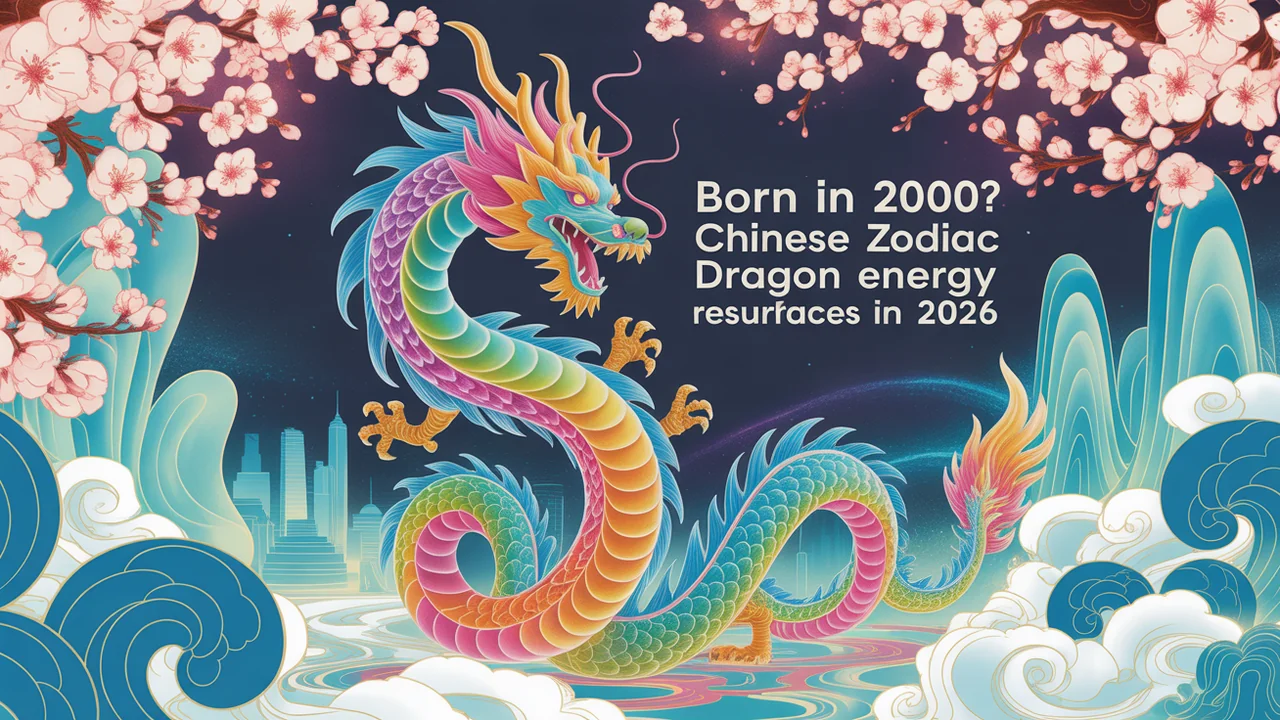
Born in 2000? Chinese Zodiac Dragon Energy Resurfaces in 2026
People born in 2000 are often linked with the Dragon in the Chinese zodiac, a sign associated with ambition, visibility, and bold starts. In 2026, interest is growing around the idea that “Dragon energy” returns to the spotlight, shaping how some people talk about timing, momentum, and personal goals.
While astrology and zodiac traditions aren’t scientific predictors, they remain a cultural lens many use to reflect on the year ahead.
Why 2000 is considered a Dragon year
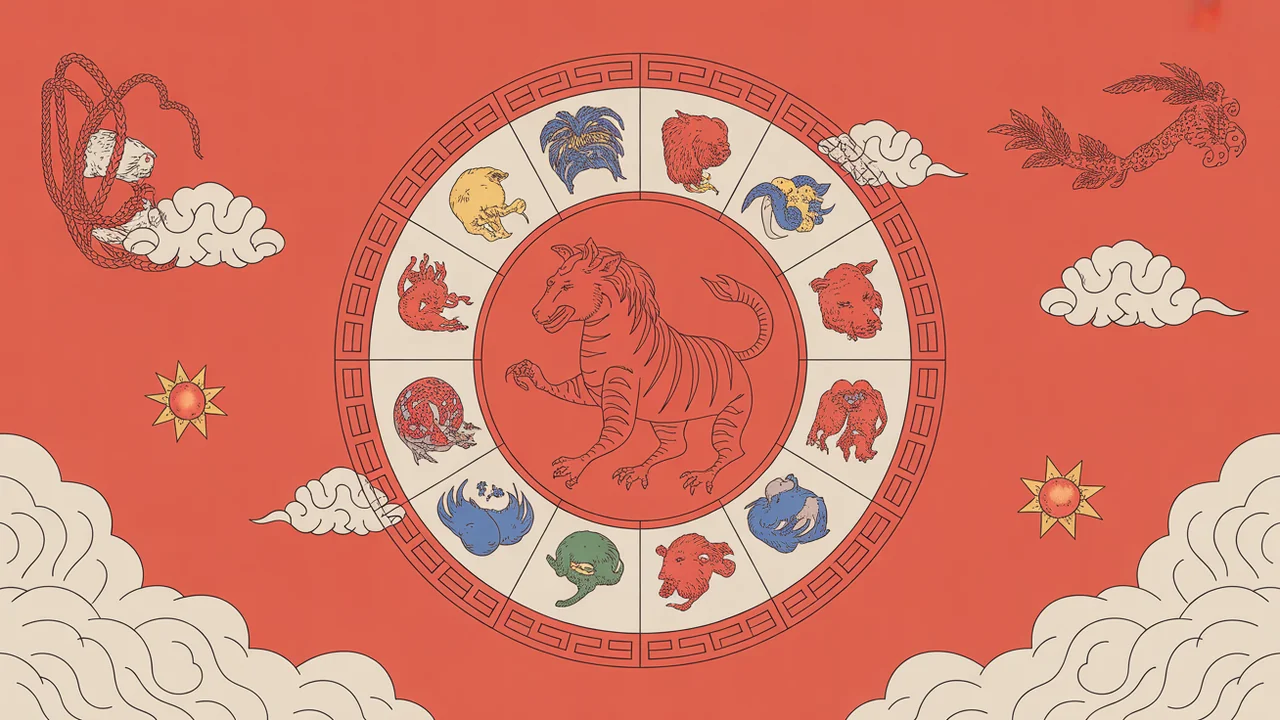
The Chinese zodiac runs on a 12-year cycle, with each year tied to one animal sign. The year 2000 falls under the Dragon in many common zodiac charts.
Because the cycle repeats, Dragon themes tend to resurface at regular intervals. For people born in a Dragon year, those moments can feel like milestones—whether or not they follow zodiac beliefs closely.
What people mean by “Dragon energy”
In everyday conversation, “Dragon energy” usually points to a mix of confidence, high expectations, and a willingness to take big swings. It can also describe periods when people feel pushed toward leadership, creativity, or public-facing roles.
At the same time, the Dragon is sometimes associated with intensity. That can translate into pressure to perform, impatience with delays, or an urge to do too much at once.
Why 2026 is drawing attention
In zodiac-focused communities, 2026 is being discussed as a year when Dragon-related themes feel more noticeable again. For some, that’s framed as a “return” of familiar energy—especially for those born in Dragon years like 2000.
That doesn’t mean the year guarantees outcomes. Instead, it’s often treated as a prompt to check in on direction, motivation, and long-term plans.

How people born in 2000 might interpret 2026
By 2026, many people born in 2000 will be navigating mid-20s decisions, such as career moves, education, relationships, or changes in where they live. In that context, “Dragon energy” is sometimes used as shorthand for a period of taking initiative and being seen.
Some may view it as a chance to step into bigger responsibilities. Others may see it as a reminder to balance drive with rest and realistic timelines.
Cultural context: tradition, identity, and timing
The Chinese zodiac is widely recognized across East and Southeast Asia and among diaspora communities worldwide. For some families, zodiac signs are part of holiday conversations, gift-giving, and lighthearted predictions.
Even for people who don’t follow astrology, the language of the zodiac can function as a shared cultural reference—an easy way to talk about personality, patterns, and hopes for the year ahead.

Practical ways people use zodiac themes without treating them as facts
Many people keep zodiac ideas in the realm of reflection rather than instruction. That can look like setting personal intentions, considering how to handle stress, or thinking about communication styles.
Others treat it simply as tradition and entertainment, checking sign forecasts the way they might read a daily horoscope—interesting, but not decisive.
FAQs
Is 2000 a Dragon year in the Chinese zodiac?
In many common Chinese zodiac listings, 2000 is associated with the Dragon, though exact boundaries can depend on the lunar calendar date.
Does “Dragon energy” mean something will definitely happen in 2026?
No. It’s a cultural and symbolic idea that some people use for reflection, not a guarantee of outcomes.
Why do people say zodiac themes return over time?
The Chinese zodiac repeats in 12-year cycles, so the same animal sign comes around again and again.
How can someone engage with zodiac ideas in a neutral way?
Many people use them as prompts for self-reflection or as a cultural tradition, without treating them as instructions or predictions.