How Chinese Zodiac Cycles Shape Confidence, Motivation, and Timing This Month
Across many Chinese communities, the zodiac isn’t only a set of animal symbols—it’s also a way to talk about timing. Each month is linked to one of the 12 zodiac animals, and some people use that monthly “energy” as a cultural lens for planning, pacing goals, or checking in with their mindset.
This month, the focus is less about predicting fixed outcomes and more about noticing patterns: when confidence feels easier to access, when motivation dips, and when it might help to slow down or push ahead.
A quick refresher: What a “zodiac month” means
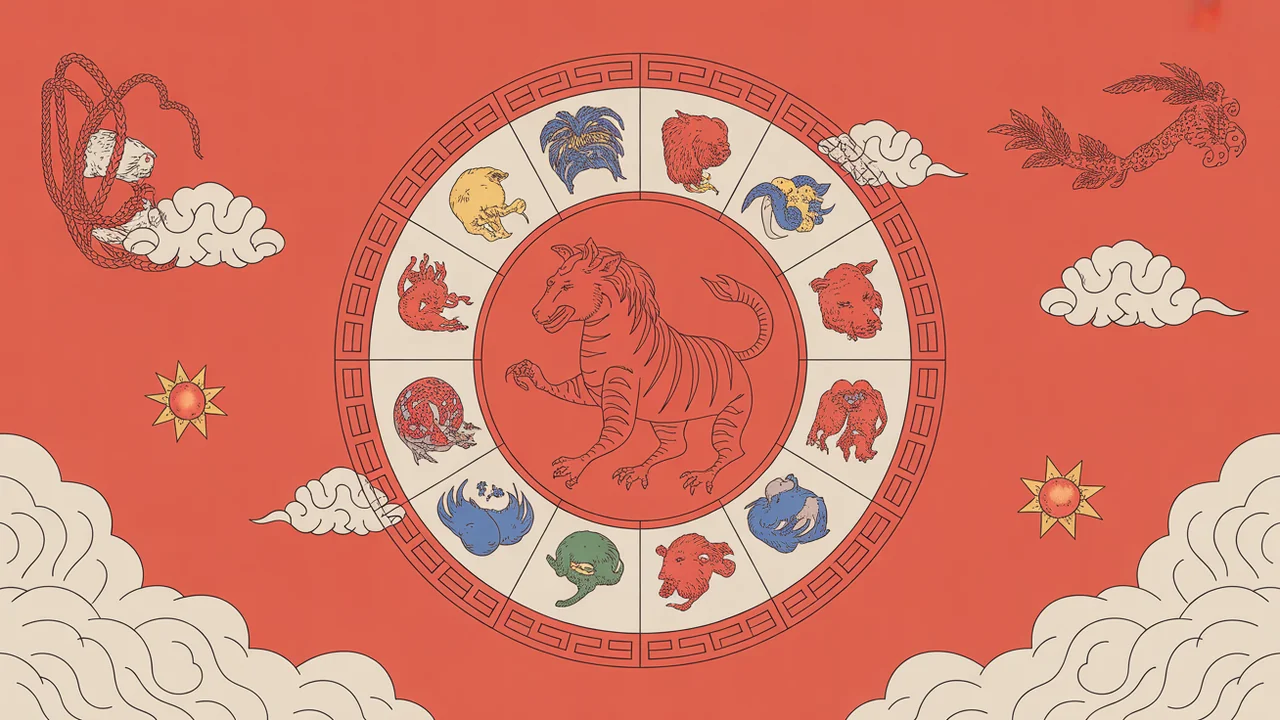
The Chinese Zodiac runs on a 12-animal cycle: Rat, Ox, Tiger, Rabbit, Dragon, Snake, Horse, Goat, Monkey, Rooster, Dog, and Pig. While most people know the zodiac by birth year, the same sequence is also applied to months (and even days and hours) in traditional systems.
The monthly animal association can vary by method and calendar timing, especially around the Lunar calendar. That’s why friends comparing notes may not always match on the exact start date—but they may still relate to the broader theme of “seasonal momentum.”
Confidence: Why some months feel like a spotlight
In zodiac-based conversations, confidence is often tied to how well a month’s animal “fits” someone’s birth sign or current goals. A month viewed as bold or expressive is sometimes described as a natural time to speak up, pitch ideas, or take on visible responsibilities.
Even among people who don’t take zodiac timing literally, the framework can be a helpful prompt: Are you feeling more decisive right now? If so, it may be a good month to schedule the conversations you’ve been delaying.
Motivation: The “push” months versus the “build” months
Some zodiac months are popularly framed as action-forward, while others are framed as steady, detail-oriented, or reflective. In day-to-day life, that can translate into different motivational styles:
Push months are associated with momentum—starting projects, making first moves, and staying socially engaged.
Build months are often linked with consistency—organizing, practicing skills, and handling tasks that aren’t glamorous but keep things running.
People who follow this rhythm say it helps normalize natural motivation changes, especially when productivity feels uneven.

Timing: Using cycles to choose when to start, pause, or pivot
Zodiac cycles are sometimes used as a “timing language,” especially for personal projects, relationship conversations, and routines. Rather than treating it as fate, many treat it as a planning tool: pick a window to begin, set a checkpoint, and reserve time to review.
A practical way to use the idea without overcommitting to it: choose one priority this month and decide whether you’re in a starting phase (first steps), a sustaining phase (habits), or a finishing phase (wrap-up). The cycle simply gives a memorable frame for that choice.
How people apply the zodiac month in everyday life
In workplaces and households, the zodiac can function like a shared shorthand. Someone might say they’re leaning into a “get-it-done” month or bracing for a more changeable period. That kind of language can make it easier to talk about workload, morale, and pacing without getting overly personal.
Common, low-stakes ways people use the monthly theme include:
• Setting one or two main goals instead of overloading the calendar
• Scheduling tough conversations when they feel more grounded
• Leaving extra time for rest during months they expect to feel busy
• Revisiting routines and habits at the end of the month

Compatibility talk: Why some signs feel “supported” this month
Monthly zodiac discussions often include compatibility—how the month’s animal is believed to interact with a person’s birth-year animal. In traditional readings, certain pairings are considered smoother, while others are considered more challenging.
In modern use, compatibility talk tends to be more psychological than predictive: if you expect friction, you might double-check details, slow your responses, or avoid stacking too many hard tasks in the same week.
Keeping it grounded: A cultural tool, not a guarantee
For many, zodiac timing is meaningful tradition; for others, it’s an occasional curiosity. Either way, it’s most useful when treated as a reflection tool rather than a rulebook.
If the monthly theme helps you feel more intentional—great. If it doesn’t resonate, the month can still be navigated with the basics: clear priorities, realistic pacing, and regular check-ins.
FAQs
Does the Chinese Zodiac month start on the first day of the calendar month?
Not always. Many people follow Lunar calendar timing, so the start date can shift year to year.
Is a “challenging” zodiac month a bad month?
Not necessarily. It’s often interpreted as a cue to be more careful, patient, or organized.
How can someone use zodiac timing without taking it literally?
Use it as a prompt for planning: pick a focus, set a checkpoint, and review progress at month’s end.
Do you need to know your exact birth time to follow monthly zodiac themes?
No. Monthly themes are commonly discussed using just the birth-year animal sign.