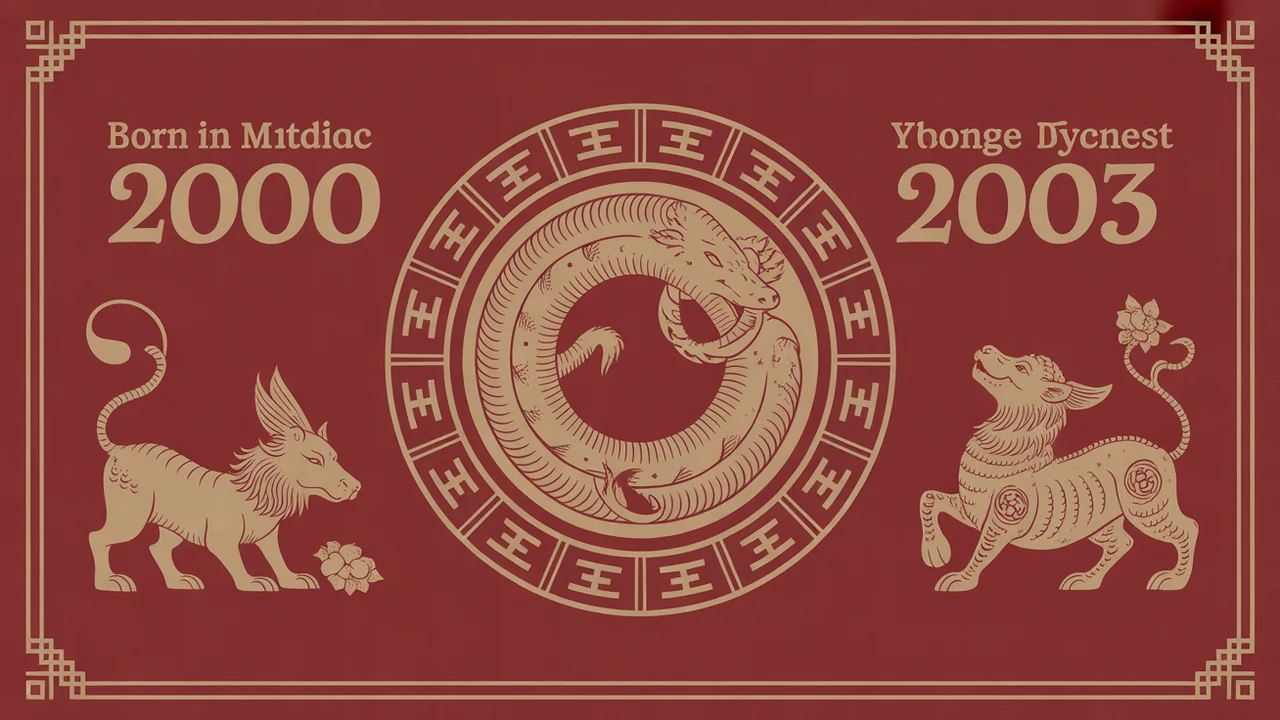
Born in 2000 or 2003? Chinese Zodiac Cycles Hint at a Change in Direction
For people born in 2000 or 2003, a familiar question can pop up around birthdays: What does the Chinese Zodiac say about the year ahead? While not everyone follows lunar astrology, the Zodiac’s repeating cycles remain a popular way to talk about timing, personality themes, and turning points.
In Chinese tradition, 2000 is widely linked to the Dragon and 2003 to the Goat (also called Sheep). Each sign is believed to move through predictable cycles—bringing stretches that feel like momentum, reset, or reevaluation. Fans of the Zodiac say those cycles can hint at a “change in direction,” especially when new lunar years begin.
How the Chinese Zodiac Cycle Works
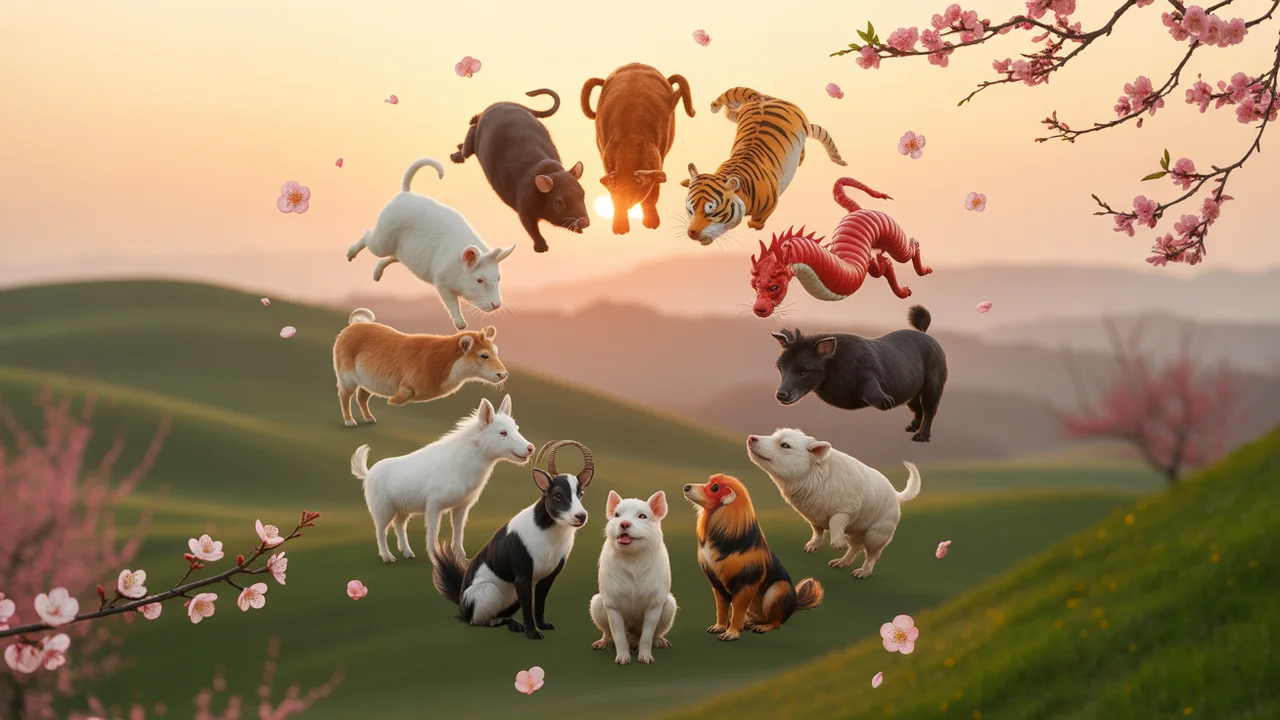
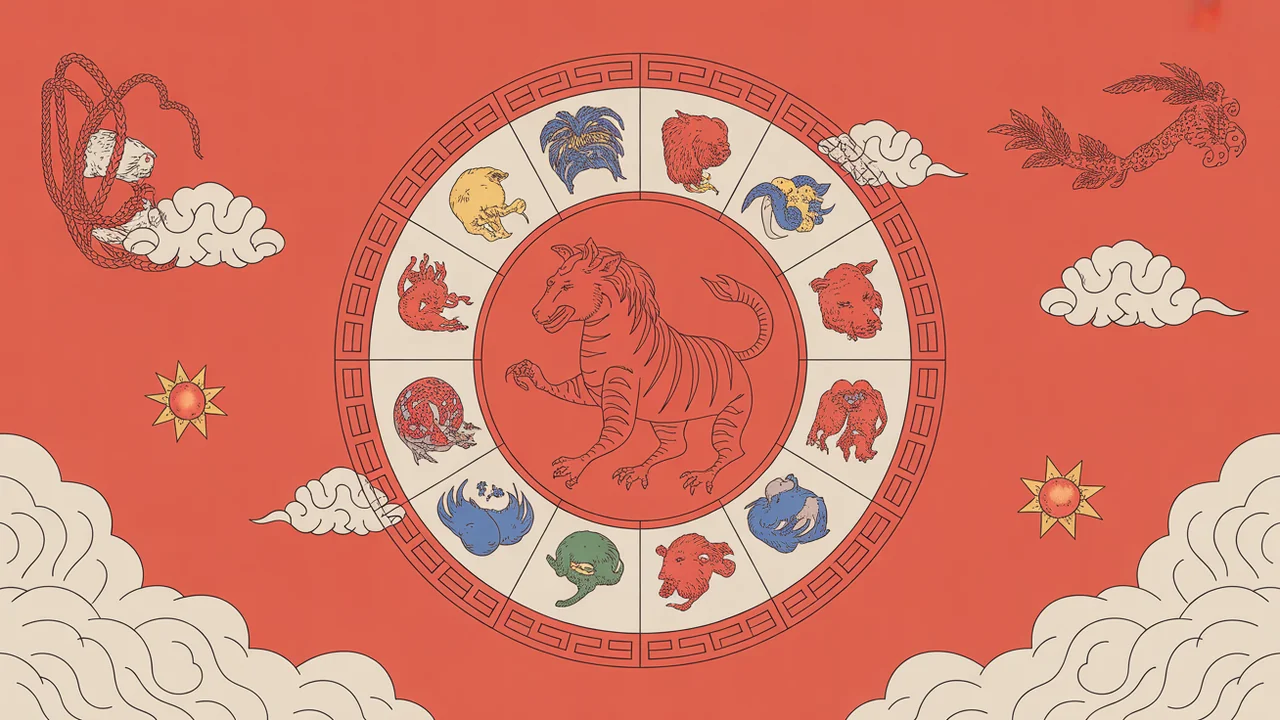
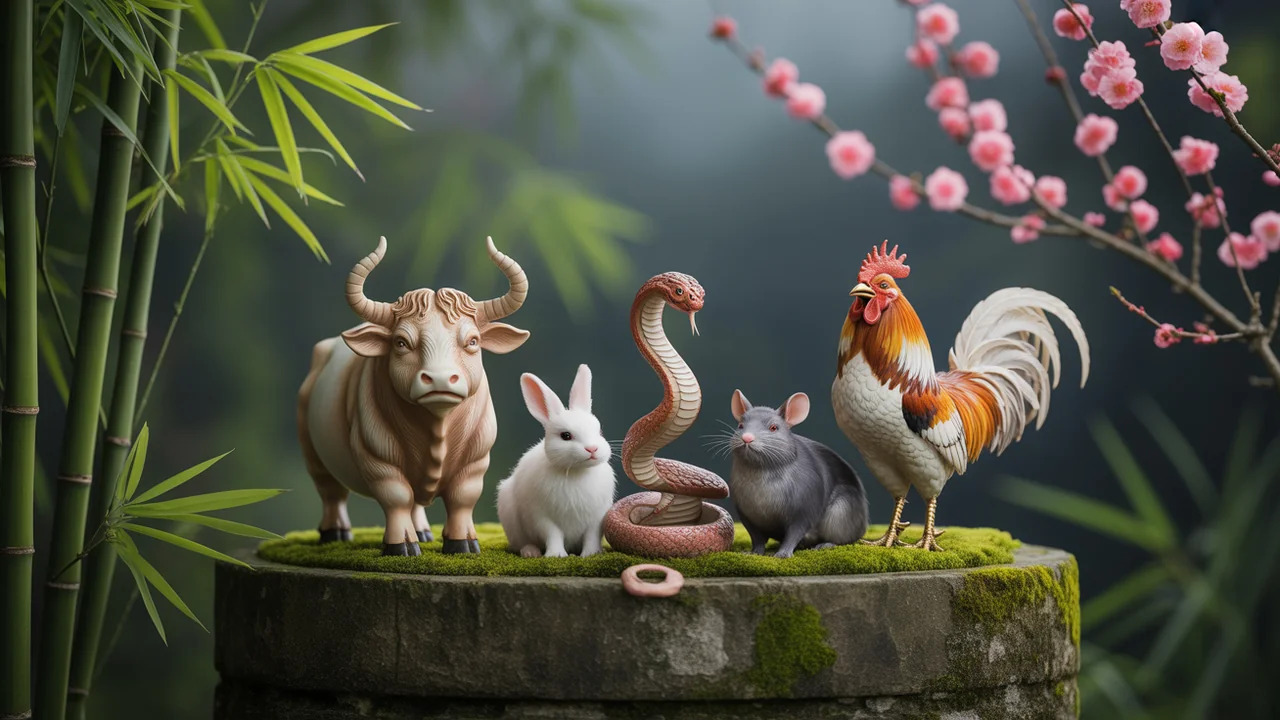
The Chinese Zodiac follows a 12-year animal cycle: Rat, Ox, Tiger, Rabbit, Dragon, Snake, Horse, Goat, Monkey, Rooster, Dog, and Pig. Many people also pair it with the Five Elements (Wood, Fire, Earth, Metal, Water), creating a broader 60-year cycle.
In everyday conversation, people often focus on the animal sign first, then add the element for more detail. Even among believers, it’s usually seen as a cultural lens rather than a fixed prediction.
Why 2000 and 2003 Get Special Attention
2000-born Dragons are often associated with ambition and high energy. 2003-born Goats are commonly linked with patience, creativity, and a preference for stability. Those themes can show up in the way people describe their goals, relationships, or work style.
Interest grows when a new year’s animal sign is thought to “clash,” “harmonize,” or otherwise interact strongly with a person’s birth sign. In Zodiac talk, that can be framed as a nudge: speed up, slow down, pivot, or simplify.
What “Change in Direction” Can Mean in Zodiac Talk
In Chinese Zodiac discussions, a change in direction doesn’t have to mean a dramatic life overhaul. It can be as simple as shifting priorities or choosing a different approach to the same goal.
For some, that could look like taking on more responsibility. For others, it might mean stepping back to learn a new skill, rebuild routines, or set clearer boundaries. The language is broad on purpose—Zodiac themes are often used as prompts for reflection rather than exact forecasts.

Timing Matters: Lunar New Year vs. Calendar Year
A common source of confusion is that Chinese Zodiac years follow the lunar calendar, not January 1. Lunar New Year typically falls between late January and mid-February, depending on the year.
That means someone born in early January 2000 or early January 2003 may fall under the previous Zodiac sign, depending on the Lunar New Year date in that birth year. Many people check a lunar calendar or a reputable date converter to confirm their sign.
Why These Cycles Stay Popular
Even for people who don’t consider themselves superstitious, the Chinese Zodiac remains a widely shared cultural reference—used in family conversations, holiday traditions, and social media.
It can also serve as a low-stakes way to think about personal patterns: what’s working, what isn’t, and what might be worth adjusting as a new cycle begins.
What to Keep in Mind
Zodiac readings vary by tradition, source, and style, and they often depend on more than a birth year alone. People who follow Chinese astrology more closely may also consider the month, day, and hour of birth, plus elements and luck cycles.
For many, the most practical takeaway is simple: use the cycle as a conversation starter, not a guarantee. Real-life decisions still come down to personal circumstances and careful planning.
FAQs
Are people born in 2000 always Dragons?
Not always. If you were born before Lunar New Year in 2000, your sign may be the previous year’s animal.
Are people born in 2003 always Goats?
Not always. Early January 2003 birthdays may fall under the previous sign, depending on the Lunar New Year date.
What does a “change in direction” usually refer to?
It’s a general theme that can mean shifting priorities, trying a new approach, or reevaluating goals as cycles turn.
Do I need my full birth time to use Chinese astrology?
No for basic Zodiac sign talk, yes if you want a more detailed traditional reading that includes time-based charts.