Doomsday Clock Moves to 89 Seconds Before Midnight
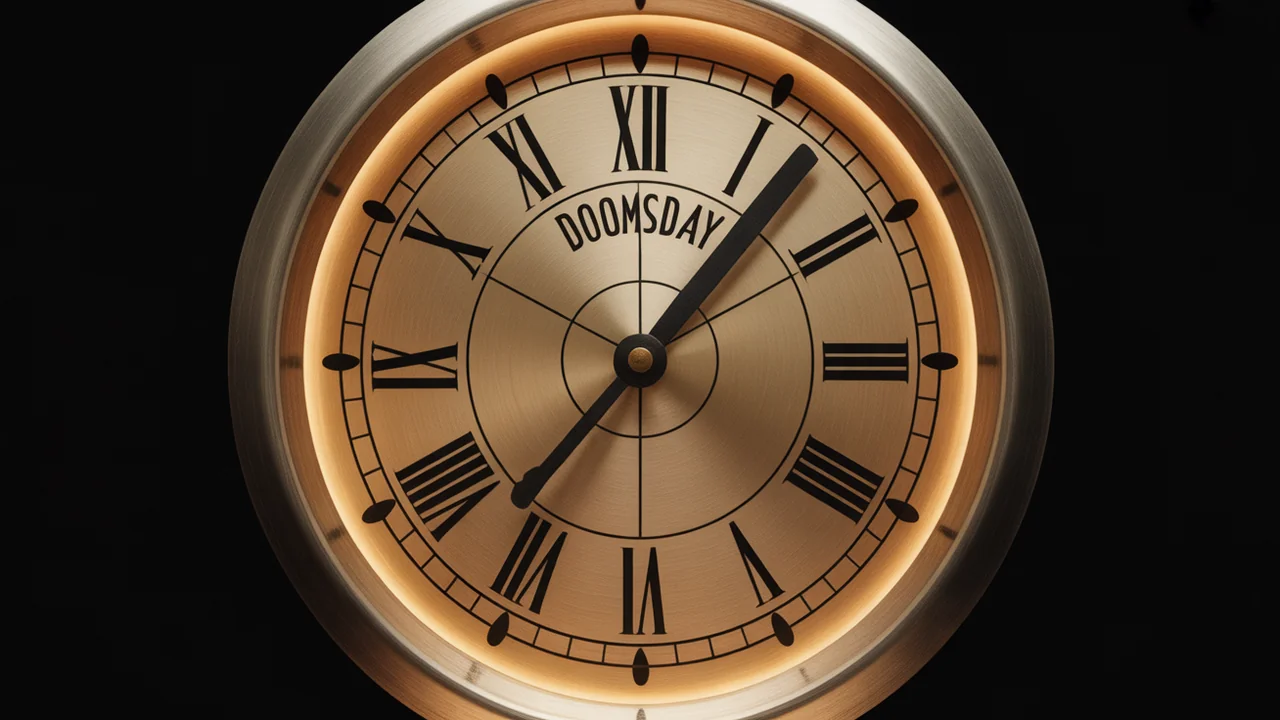
The Doomsday Clock now stands at 89 seconds to midnight, a setting meant to signal how close humanity is to a catastrophic global disruption. The clock is maintained by the Bulletin of the Atomic Scientists, an organization that uses it as a simple public-facing indicator of risk.
Midnight is not a prediction of an actual event or a specific date. It is a metaphor for extreme danger, and the time is adjusted based on the group’s assessment of major global threats.
What the Doomsday Clock Is—and What It Isn’t
The Doomsday Clock is a communication tool, not a forecast. The Bulletin’s experts and advisers weigh trends in areas such as nuclear risk, climate change, and emerging technologies, then decide whether to move the hands closer to or farther from midnight.
It is designed to be easy to understand. But the underlying evaluation is broad, combining scientific findings with geopolitical developments and assessments of how well global institutions are managing escalating risks.
Why Scientists Say 2026 Is Different
Scientists and security experts point to a mix of compounding pressures that feel unusually tightly linked in 2026. Instead of one dominant crisis, they describe overlapping risks that can amplify each other quickly.
That includes heightened nuclear tensions, fast-moving technological change, and persistent climate-related stresses that can strain governments and economies—sometimes at the same time.
Nuclear Risks: Higher Tensions, More Uncertainty
Nuclear danger remains a central reason the clock is set so close to midnight. Experts have highlighted concerns about fraying arms-control frameworks, modernization of nuclear arsenals, and more frequent nuclear rhetoric in international disputes.
They also point to the risk of miscalculation: moments when leaders interpret signals incorrectly, or when a crisis escalates faster than diplomatic channels can keep pace.
Climate Pressure: More Extremes, More Spillover Effects
Climate change is often described in long-term terms, but its impacts are increasingly immediate. More frequent heat waves, droughts, floods, and wildfires can disrupt food systems, infrastructure, and public services.
Scientists emphasize that climate stress can worsen other tensions, including migration pressures and conflict risks, especially in regions where resources and governance are already strained.
Technology and Information Risks: Speed Outpacing Safeguards
Another factor experts cite is the rapid evolution of technology, including artificial intelligence and cyber capabilities. Faster tools can bring real benefits, but they can also increase the speed and scale of misinformation, interference, and operational mistakes.
Researchers and policy analysts warn that governance and safety standards are struggling to keep up with the pace of change, particularly when systems are deployed widely before risks are fully understood.

Why 89 Seconds Matters, Even If It’s Symbolic
Moving the clock to 89 seconds is meant to underline urgency. It signals that the experts involved see the current moment as unusually unstable, with fewer buffers against cascading crises.
At the same time, the organization behind the clock typically stresses that decisions and policies can reduce risk. The clock can move in either direction, depending on what happens next.
How the Clock Is Set
The Bulletin of the Atomic Scientists reviews global conditions and consults specialists across disciplines. The decision reflects both measurable indicators—like emissions trends or arms-control developments—and judgments about political stability, transparency, and crisis management.
Because it is a synthesized assessment, the exact setting is not a calculation in the way a temperature reading is. It is a consensus signal meant to spark attention and debate.
What to Watch in 2026
Analysts say several developments will shape whether global risk trends improve or worsen: diplomatic progress on reducing nuclear danger, stronger international cooperation on climate and energy systems, and clearer guardrails around powerful digital tools.
They also point to the importance of crisis communication—basic reliability in channels that help prevent misunderstandings between countries during fast-moving events.
FAQs
Is the Doomsday Clock predicting the end of the world?
No. It is a symbolic indicator of global risk, not a forecast or a deadline.
Who decides where the clock is set?
The Bulletin of the Atomic Scientists sets it with input from experts and advisers across science and security fields.
Why is 2026 described as different?
Experts point to overlapping risks—nuclear tensions, climate impacts, and fast-moving technology—that can intensify one another.
Can the clock move back?
Yes. It can move away from midnight if global conditions improve and risks are reduced.