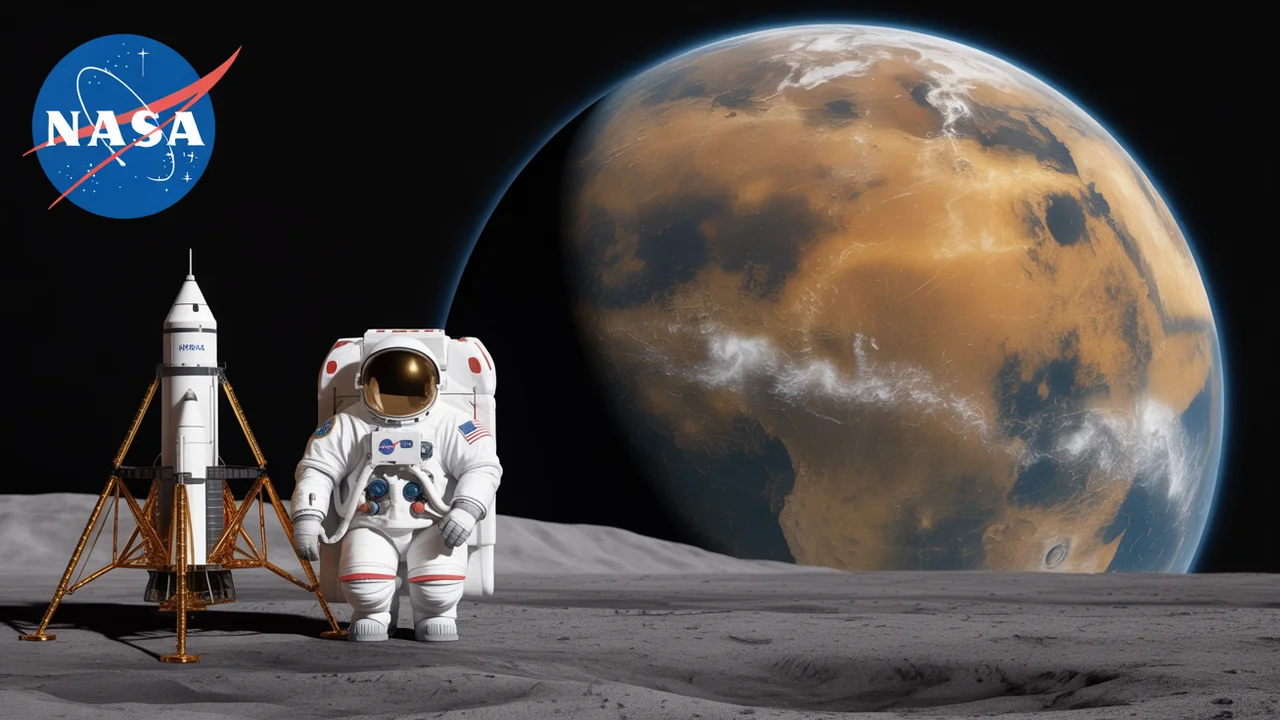
NASA Budget Faces $3.5 Billion Debate — Moon and Mars Missions Caught in the Middle
NASA’s budget outlook is back in the spotlight as lawmakers and the administration weigh competing priorities that could shift billions of dollars across the agency’s portfolio. At the center of the discussion is a roughly $3.5 billion gap tied to proposed funding levels and how they would be allocated across major programs.
The debate comes as NASA pushes forward with high-profile Moon plans under Artemis while also laying groundwork for longer-term Mars ambitions. With limited flexibility in annual spending, even small changes can ripple through launch schedules, contracts, and research timelines.
What the $3.5 Billion Dispute Means
In Washington, budget talks often come down to a mix of top-line numbers and specific line items. For NASA, the current disagreement focuses on whether the agency should receive an increase, hold steady, or absorb reductions compared with recent funding levels.
That estimated $3.5 billion difference reflects the scale of choices facing decision-makers: support more missions and infrastructure now, or slow some programs to reduce near-term costs. The outcome may depend on broader federal budget negotiations and shifting priorities in Congress.
Moon Program Pressures: Artemis in Focus
Artemis remains one of NASA’s most visible initiatives, aimed at returning astronauts to the Moon and building a longer-term presence. It includes big-ticket elements such as the Space Launch System (SLS), Orion spacecraft, lunar landers, and plans for supporting infrastructure.
Budget uncertainty can affect how quickly these elements move from planning to flight-ready hardware. Even if overall Artemis goals remain intact, specific milestones can change if funding is rephased or redirected.
Mars Ambitions: Long-Term Plans, Near-Term Tradeoffs
Mars remains a major scientific and human-exploration target, but most human Mars missions are still a longer-range goal. Many Mars-related efforts today focus on technology development, robotic exploration, and science missions that build experience and data for the future.
When budgets tighten, longer-term projects can be especially vulnerable because they may be easier to delay without immediately affecting a scheduled crewed launch. Supporters of Mars work argue that steady investment now reduces risk later, while critics may push to prioritize nearer-term lunar needs.

Science Missions and Earth Observations Also at Stake
NASA’s budget isn’t only about astronauts and rockets. The agency also funds space science, heliophysics, planetary missions, and Earth observation programs that track climate and environmental conditions.
These areas can become part of the same tradeoff conversation, as decision-makers look for places to add or trim funds. Shifts in one part of NASA’s budget can lead to delays in mission development, fewer instruments, or changes to launch readiness.
Why Congress Matters More Than Headlines
While major proposals set the tone, Congress ultimately controls federal spending through appropriations. House and Senate committees draft funding bills, negotiate differences, and set final numbers for NASA’s programs.
That process can stretch across months and may include temporary measures that keep the government operating at existing levels. For NASA programs, continuing resolutions can slow new starts and complicate multi-year planning.

Industry, Jobs, and Schedule Risks
NASA relies heavily on contractors and commercial partners for spacecraft, engines, software, and launch services. Funding changes can affect workforce stability and supplier timelines, especially for complex systems with long lead times.
Program managers often try to avoid abrupt starts and stops because they can increase costs and delay milestones. But with fixed annual budgets, stability can be hard to guarantee during high-stakes negotiations.
What to Watch Next
Key signals will include committee markups, bipartisan negotiations, and any shifts in how lawmakers describe priorities for Artemis, science, and technology development. Updates to mission schedules and contract decisions may also indicate how NASA is adapting to expected funding.
For now, Moon and Mars goals remain on the table, but the pace and sequencing of work could change depending on how the $3.5 billion debate is resolved.
FAQs
What is the $3.5 billion debate about?
It refers to a sizable difference between proposed funding levels and how much NASA may ultimately receive, shaping which programs move faster or slower.
Could Artemis Moon missions be delayed?
Potentially. If funding is reduced or reshuffled, schedules and program milestones may be adjusted.
Does the debate affect Mars plans right now?
Yes. Mars-related technology and science work can be slowed or rephased if budgets prioritize nearer-term needs.
Who makes the final decision on NASA’s budget?
Congress sets final funding through the appropriations process, with the administration proposing and lawmakers negotiating the outcome.