A new wave of zodiac curiosity among people born after 2000
From social media horoscopes to Lunar New Year conversations at home, the Chinese Zodiac has become a familiar reference point for many people born after 2000. While it’s not a science and can’t predict outcomes, it remains a popular cultural system for thinking about timing—when to start something, when to pause, and when to focus on relationships or routines.
In Chinese astrology, timing is often discussed through a mix of an individual’s birth-year animal sign and the energy of the current year. For Gen Z and younger millennials, that can translate into simple questions: Is this a good year to try something new? Should I keep my head down? Is it better to expand my circle or stay steady?
Quick basics: how zodiac timing is commonly interpreted
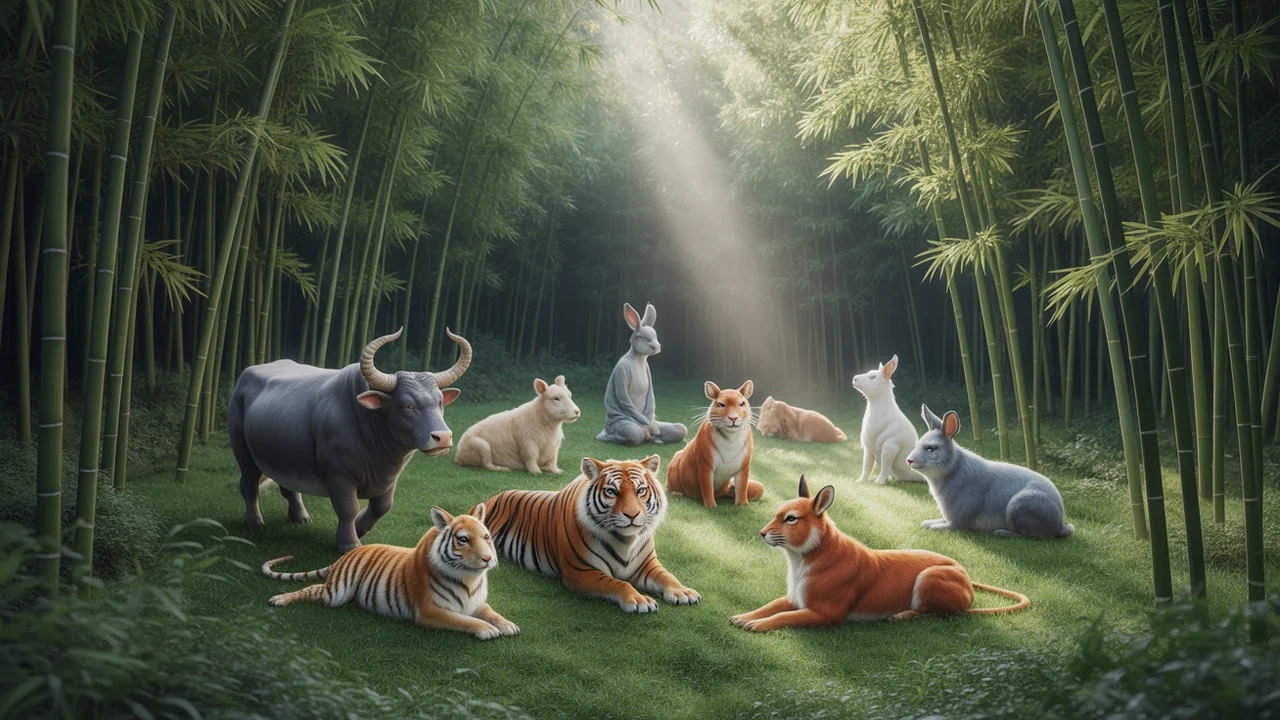
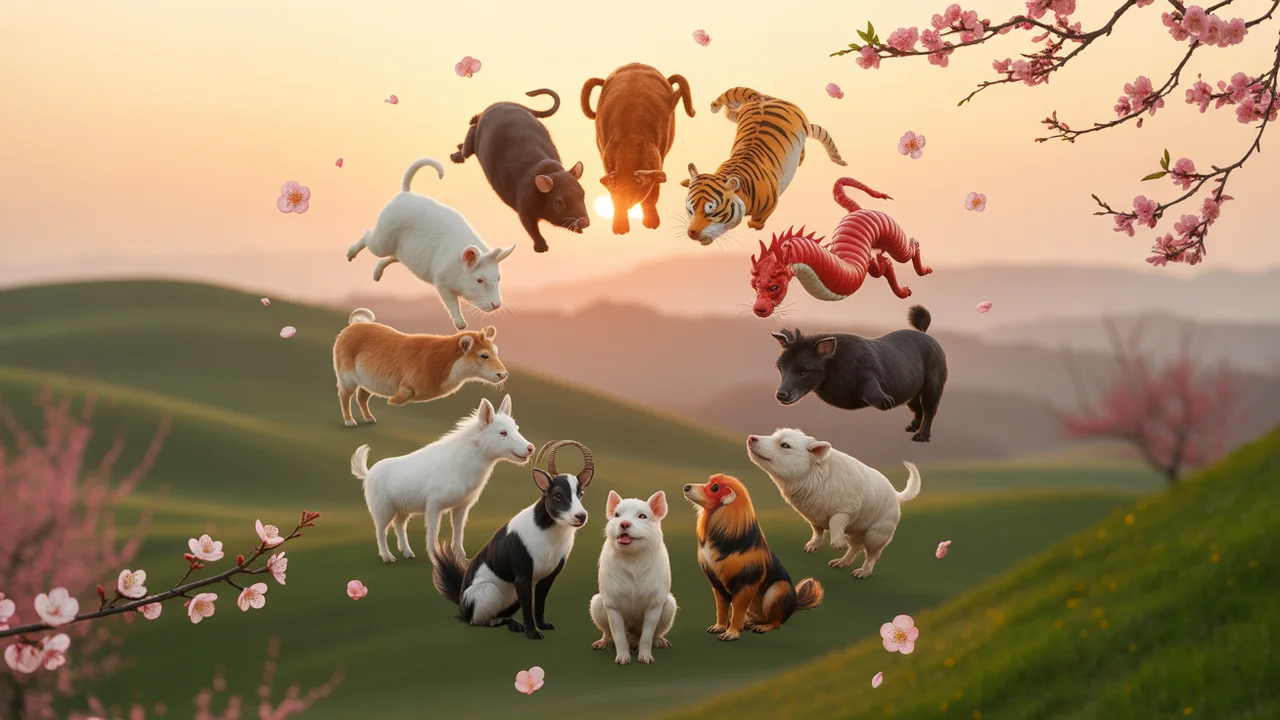
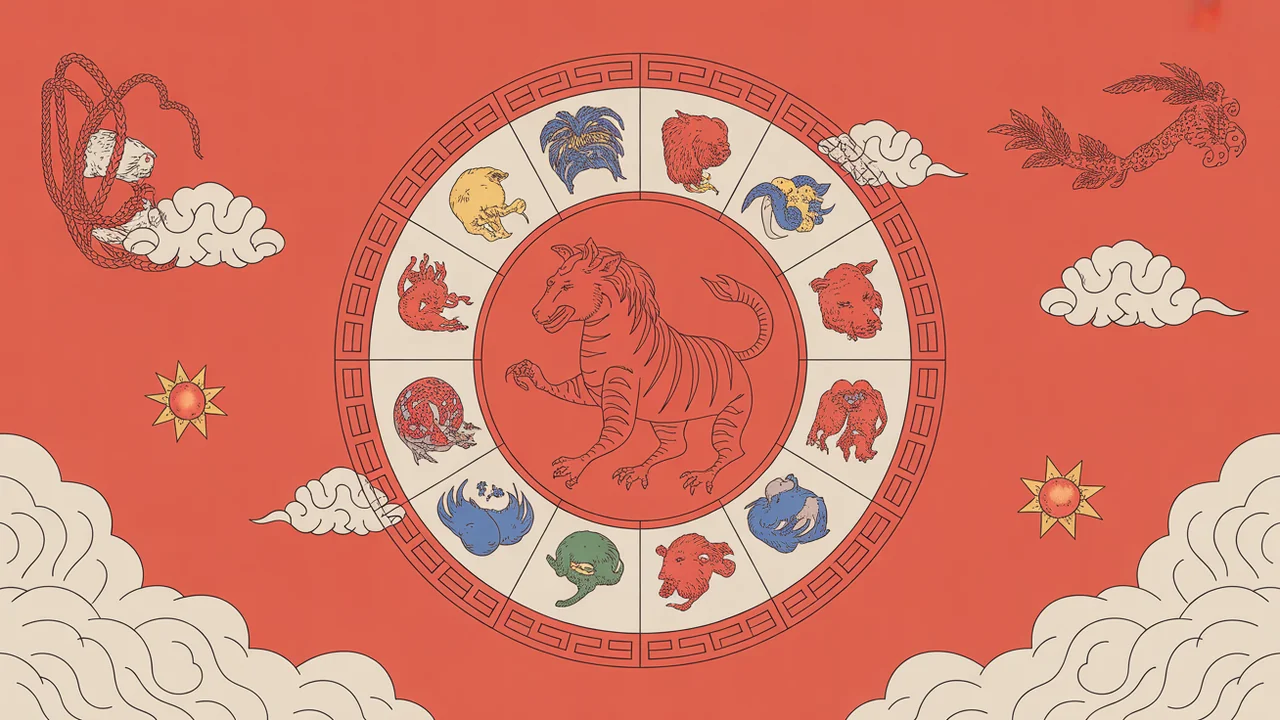
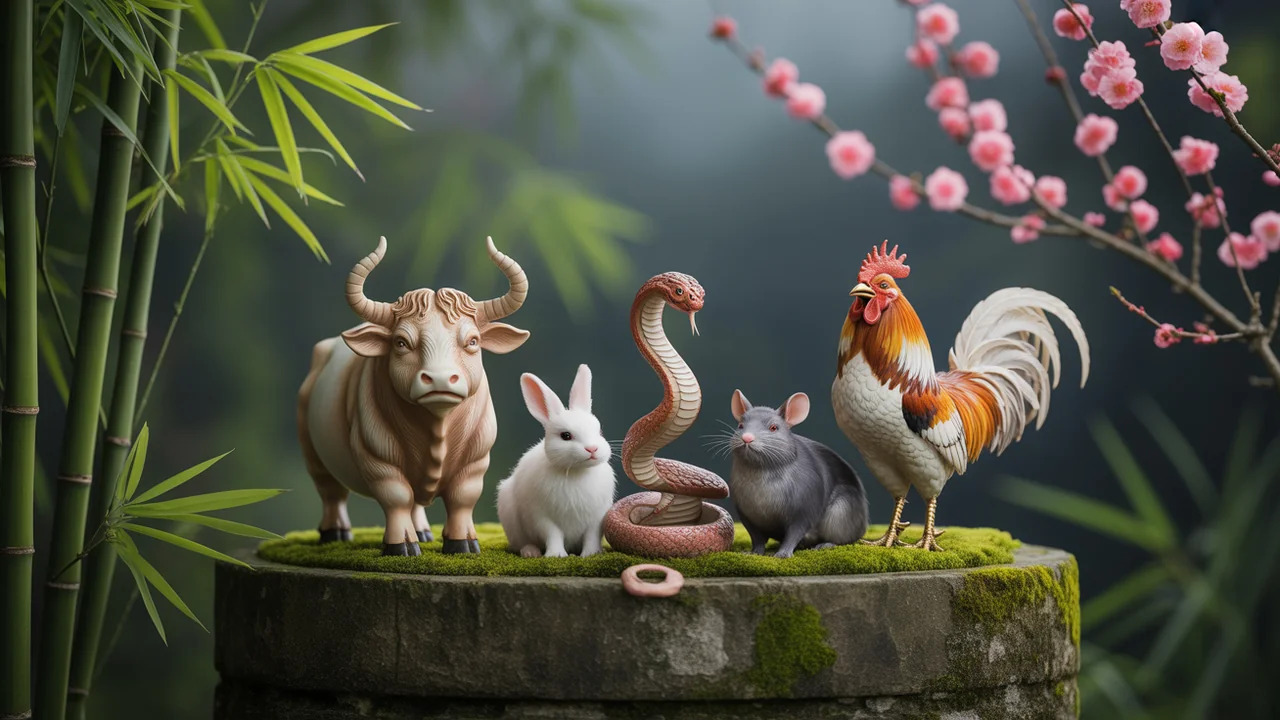
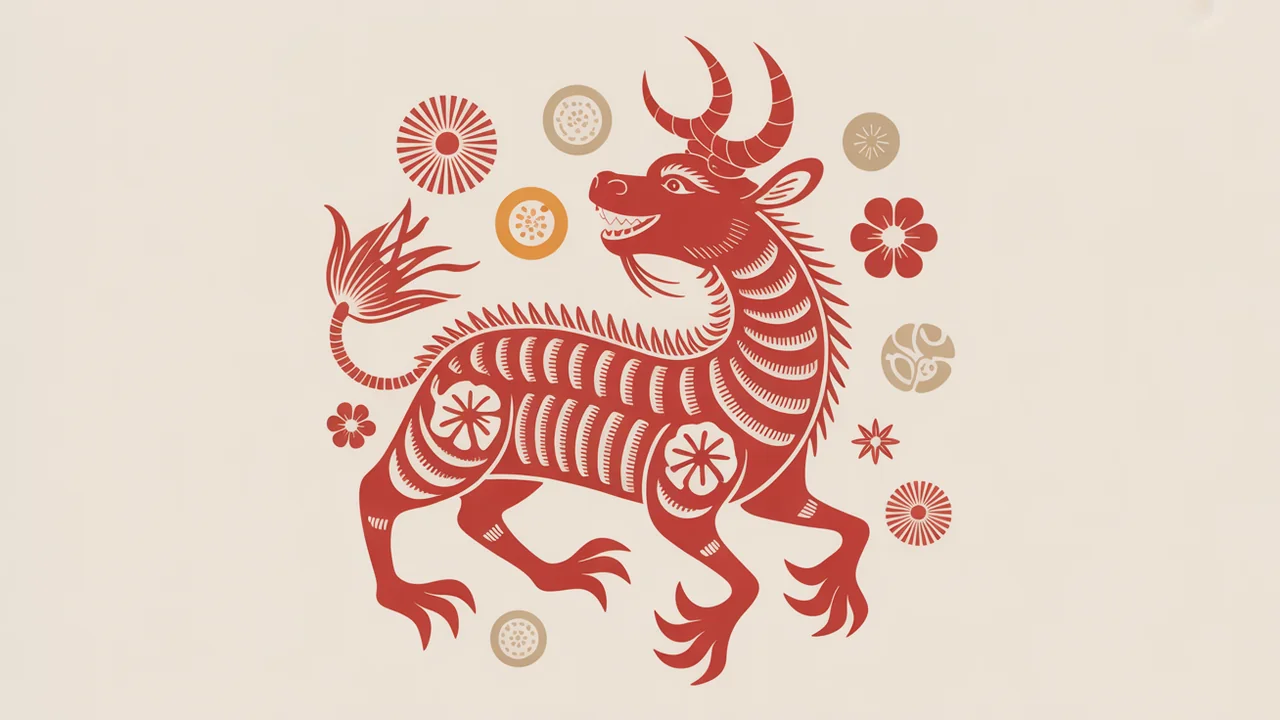
The Chinese Zodiac runs on a 12-year cycle of animal signs: Rat, Ox, Tiger, Rabbit, Dragon, Snake, Horse, Goat, Monkey, Rooster, Dog, and Pig. Many traditions also add the Five Elements (Wood, Fire, Earth, Metal, Water), creating a 60-year cycle.
When people talk about “good timing” in this system, they’re usually referring to broad themes rather than specific guarantees—like momentum, visibility, workload, or social dynamics. Some also consider the Lunar New Year as a natural reset point for plans and priorities.
What “timing” usually means in Chinese Zodiac conversations
Timing in Chinese Zodiac talk often centers on a few repeat ideas:
Cycle years: Your own animal year repeats every 12 years. Some people treat that as a checkpoint year for personal growth.
Compatibility years: Certain animal pairings are traditionally seen as smoother for teamwork or relationships, while others are viewed as more challenging.
Energy shifts: Each year’s animal is associated with a general vibe—more action-oriented, more reflective, more social, or more detail-driven.
Chinese Zodiac signs for people born after 2000
Here are the zodiac signs for birth years from 2000 onward. (Note: the Chinese Zodiac year changes at Lunar New Year, not January 1, so people born in January or early February may fall under the previous sign.)
2000: Dragon
2001: Snake
2002: Horse
2003: Goat
2004: Monkey
2005: Rooster
2006: Dog
2007: Pig
2008: Rat
2009: Ox
2010: Tiger
2011: Rabbit
2012: Dragon
2013: Snake
2014: Horse
2015: Goat
2016: Monkey
2017: Rooster
2018: Dog
2019: Pig
2020: Rat
2021: Ox
2022: Tiger
2023: Rabbit
2024: Dragon
2025: Snake
How people born after 2000 often use zodiac timing in real life
Among younger adults, zodiac timing is often used more like a planning language than a rulebook. Some treat it like a yearly theme: a way to check in on goals, relationships, and energy.
Others use it socially—comparing signs with friends, talking about compatibility, or using the year’s animal as a conversation starter. It’s also common to combine zodiac ideas with practical planning, like syncing big changes with school calendars, job cycles, or personal milestones.
Common timing themes tied to the 12-year cycle
Different traditions describe timing a little differently, but a few patterns show up a lot in mainstream zodiac discussions:
Your own zodiac year (every 12 years): Often treated as a “turning point” year. People may pay closer attention to choices, reputation, and long-term direction.
Years that align with your sign: Sometimes seen as more supportive for steady progress or recognition.
Years that clash with your sign: Often described as better for patience, learning, and avoiding unnecessary conflict.
These themes are typically framed as general guidance, not guaranteed outcomes.
Why timing talk resonates with Gen Z and younger millennials
For people born after 2000, timing is a major topic—graduation years, first jobs, housing moves, and relationship shifts can pile up quickly. The Chinese Zodiac offers a familiar way to label those seasons of life, especially in multicultural households and online spaces where astrology content spreads fast.
Even for those who don’t fully believe in it, zodiac timing can function like a reflective tool: a prompt to ask what’s working, what isn’t, and what kind of year they want to build.
How to keep zodiac timing in perspective
Most people who follow the Chinese Zodiac treat it as tradition, storytelling, or a personal lens—not a substitute for practical decisions. Timing themes can be fun and meaningful, but real-life outcomes still depend on circumstances, effort, and support systems.
For anyone exploring it, checking the Lunar New Year date for their birth year is a common first step, since it can change their sign if they were born early in the year.
FAQs
Does the Chinese Zodiac start on January 1?
No. The zodiac year usually changes at Lunar New Year, which falls in late January or February.
What sign are people born in 2000?
Most are Dragons, but those born before Lunar New Year in 2000 may be Rabbits.
What does “timing” mean in Chinese Zodiac discussions?
It usually refers to broad yearly themes—like momentum, relationships, or workload—rather than exact predictions.
Is zodiac timing considered a scientific way to plan?
No. It’s generally treated as a cultural tradition and a reflective framework, not a scientific method.