A 1998 Birth Year Is Back in the Spotlight
People born in 1998 are noticing a fresh wave of interest in what the Chinese zodiac says about their year. Across social media, group chats, and casual conversations, the topic is showing up again—often tied to identity, nostalgia, and the urge to understand personal “vibes” through cultural frameworks.
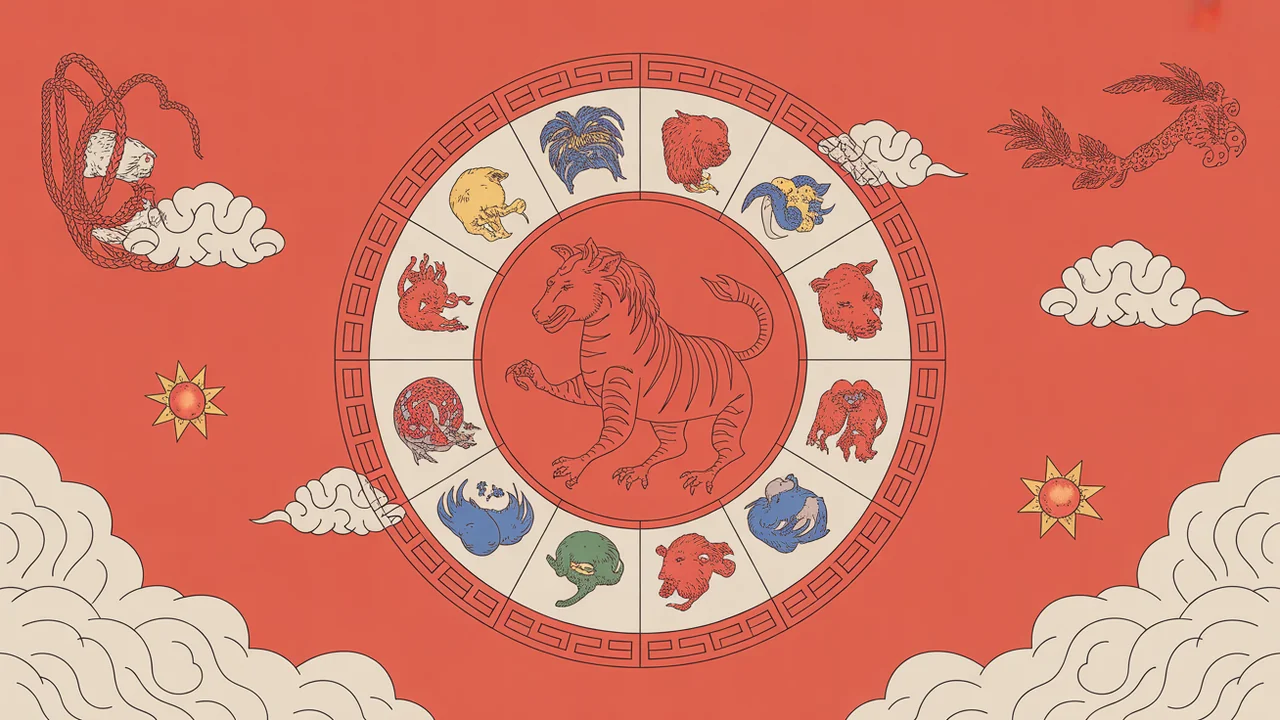
In the Chinese zodiac, 1998 is commonly recognized as the Year of the Tiger, associated with boldness and momentum in popular interpretations. For many 1998-born adults, revisiting that label is less about prediction and more about meaning-making.
Why Interest Is Growing Now
Several forces are converging at once. People born in 1998 are in their mid-to-late 20s, an age when career changes, relationships, and big life decisions become more common. Even for skeptics, zodiac language can provide a low-stakes way to reflect and start conversations.
At the same time, the Chinese zodiac has become easier to explore casually through short-form videos, interactive apps, and quick explainers—often presented as culture, entertainment, or personal storytelling.
Turning 26–28: A Life Stage That Sparks Reflection
For many, the late 20s can feel like a transition from “figuring it out” to “building something real.” That shift tends to trigger more interest in identity markers—birth years, generational labels, family stories, and traditions.
Chinese zodiac meaning often fits neatly into that moment: it’s simple, shareable, and tied to a birth year that people already know.
Social Media Made Zodiac Talk More Shareable
Platforms that reward quick, relatable content have helped zodiac themes circulate widely. Posts like “What your birth year animal says about you” or “Tiger-year traits” spread fast because they invite comments, debate, and personal anecdotes.
For 1998-born users, it can also feel like a small badge of belonging—one more way to connect with peers who share the same year.
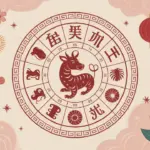
Culture, Heritage, and Curiosity
Renewed interest is also tied to cultural curiosity. Some people are reconnecting with family traditions around Lunar New Year, while others are learning the basics for the first time through friends or school communities.
For Asian American and diaspora communities especially, Chinese zodiac conversations can be part of a broader interest in heritage—while still leaving room for humor, disagreement, and different levels of belief.
The 1998 Tiger: What People Commonly Associate With It
In popular Chinese zodiac interpretations, the Tiger is often linked with courage, confidence, and a drive to take action. People may also describe Tiger energy as outspoken or independent, depending on the source.
Many 1998-born adults treat these descriptions as conversation starters rather than strict definitions—using them the way others might use personality quizzes or “core traits” lists.
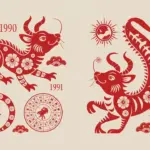
Not Just the Animal: The Element Matters Too
Some zodiac explanations go beyond the 12 animals and include a five-element cycle (such as Earth, Metal, Water, Wood, and Fire). That can add nuance and give people more to compare and discuss.
Because sources vary by calendar cutoffs and interpretation, people sometimes check multiple references—especially if they were born in January or February, when Lunar New Year dates can shift.
A Blend of Fun, Identity, and Personal Storytelling
For many born in 1998, the renewed interest isn’t about certainty. It’s about language—words and symbols that help describe personality, ambitions, or what a certain season of life feels like.
Whether taken seriously or lightly, Chinese zodiac meaning has become a common way to connect across generations, friend groups, and cultures.
FAQs
Are people born in 1998 considered Tigers in the Chinese zodiac?
Many are, but it can depend on the Lunar New Year date for their birth year, especially for January and early February birthdays.
Why are 1998-born adults talking about this more now?
Late-20s life changes plus social media trends are making identity topics like zodiac meaning more popular again.
Is the Chinese zodiac the same as Western astrology?
No. The Chinese zodiac is based largely on birth year cycles, while Western astrology is typically based on birth dates and star signs.
Do Chinese zodiac interpretations have one official meaning?
Not exactly. Traditions and interpretations vary by region, family practice, and source.